Keynote Speakers
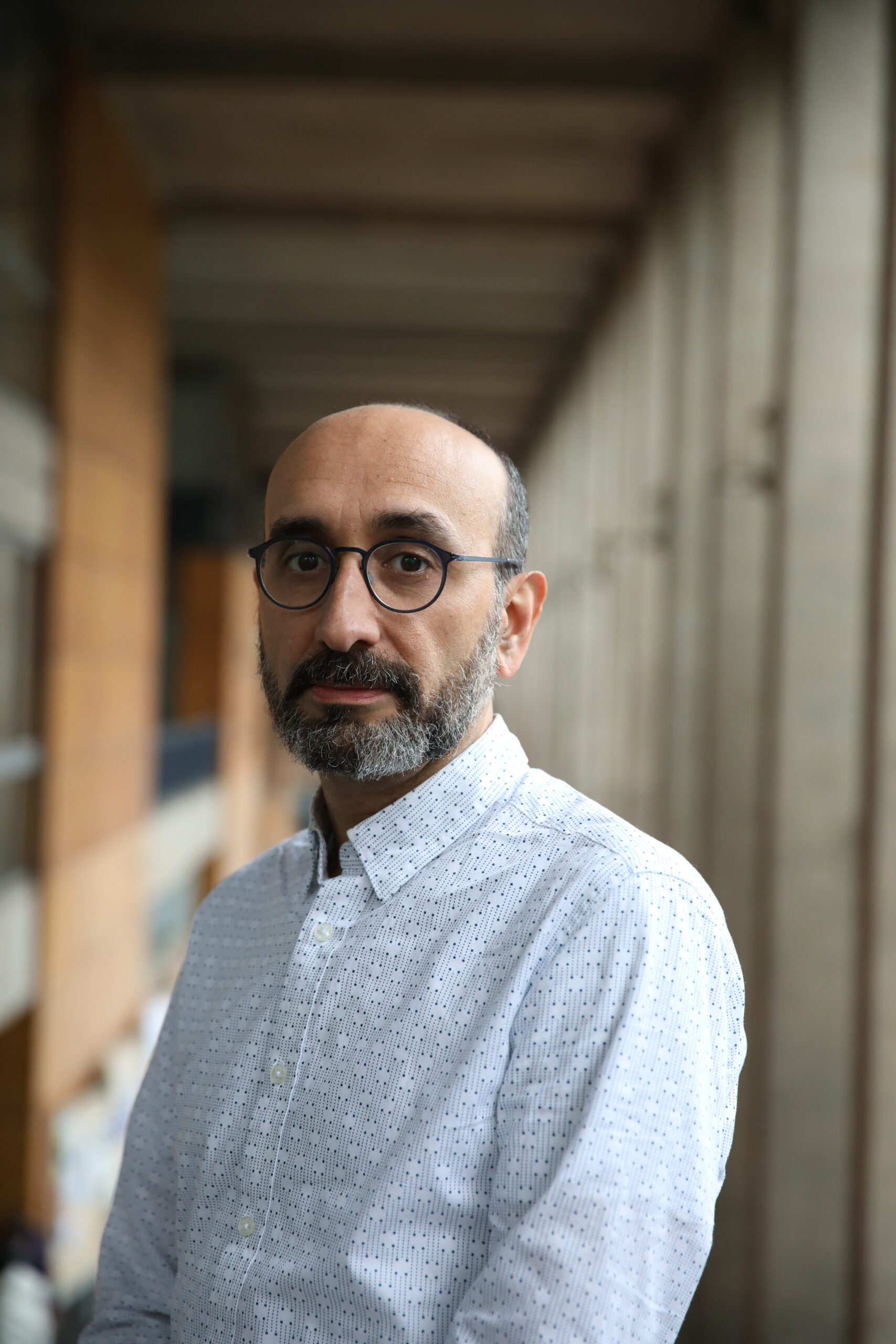
Cristóbal Rovira Kaltwasser
Professor at the Institute of Political Science at the Pontifical Catholic University of Chile and director of the Laboratory for the Study of the Far Right (ultra-lab). He obtained his PhD in Political Science from Humboldt University in Berlin and then completed a postdoctoral fellowship at Nuffield College, University of Oxford, and the Social Science Research Center Berlin (WZB). He has been a professor at Diego Portales University in Santiago, Chile, and a Marie Curie researcher at the University of Sussex in the United Kingdom. In recent years, he has been a visiting professor at the Scuola Normale Superiore (SNS) in Italy, Uppsala University in Sweden, and Sciences Po in France. His area of research is comparative politics, with a particular emphasis on how extremist and populist forces affect the functioning of democracy in both Latin America and Europe. Among other publications, he is the author of “The Resilience of the Latin American Right” (Johns Hopkins University Press), “Populism: A Very Short Introduction” (Oxford University Press), “The Oxford Handbook of Populism” (Oxford University Press), and “Riding the Populist Wave: Europe’s Mainstream Right in Crisis” (Cambridge University Press).
The keynote titled “The Far Right in Latin America and Beyond” will take place on Wednesday, December 3 from 10:30 am to 11:30 am.
Sérgio Costa
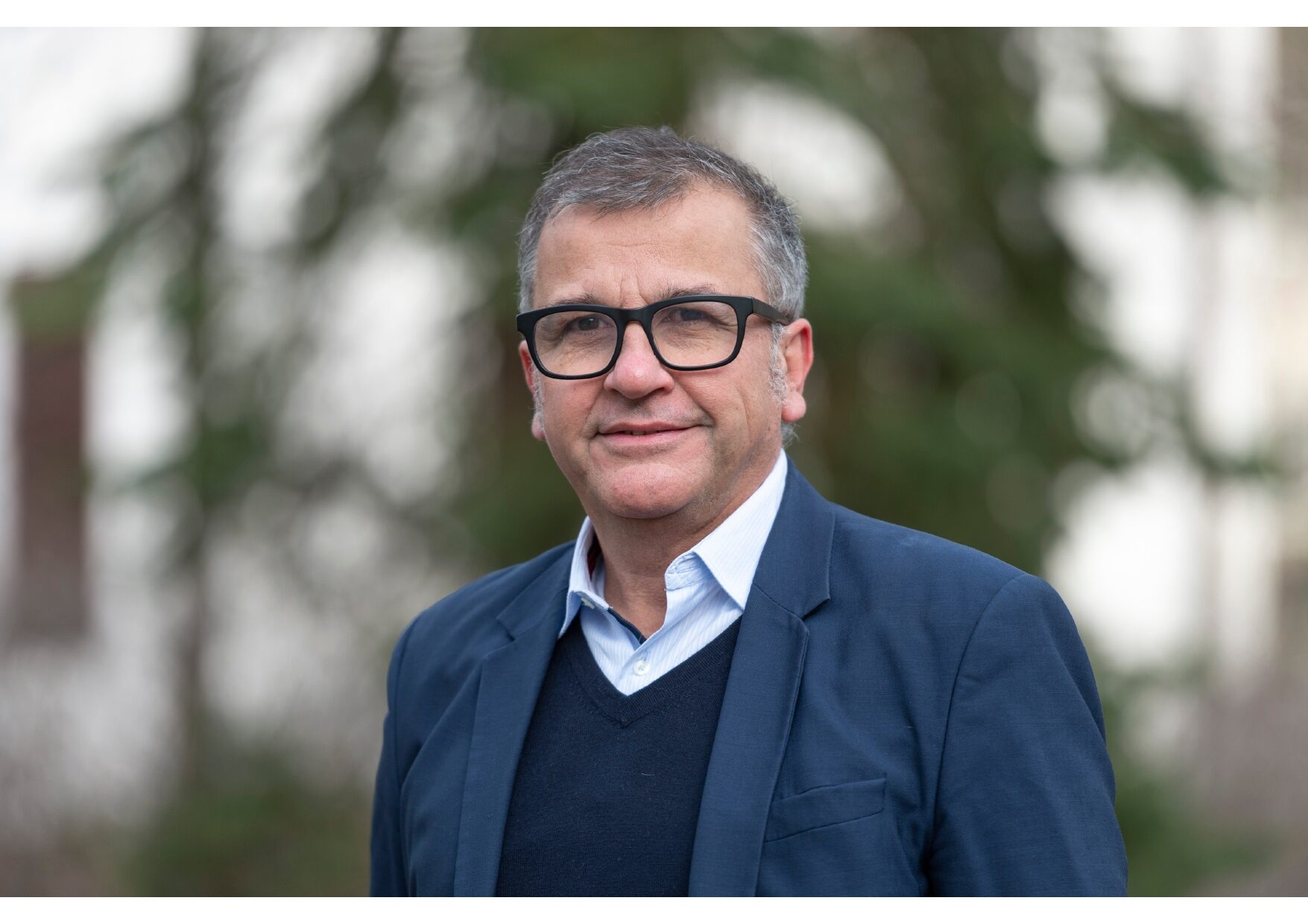
Trained in economics and sociology in Brazil and Germany, Sérgio Costa has been since 2008 a Professor of Sociology at the Institute for Latin American Studies (LAI) and Institute of Sociology (IfS) at Freie Universität Berlin, Germany. He is the project leader and current director of the BMFTR Maria Sybilla Merian Centre Conviviality-Inequality in Latin America (Mecila) as well as a Principal Investigator at the DFG International Research Training Group Temporalities of Future and at the DFG Research Unit Collaborations: Assemblages, Articulations, Alliances. His main areas of research are: contemporary social theory, social inequalities, racism and antiracism, living together in difference. His most recent monographs are: Desiguais e Divididos (Todavia, 2025); A Port in Global Capitalism (Routledge 2020, co/authored with Guilherme Leite Gonçalves); Entre el Atlántico y el Pacífico Negro (Iberoamericana 2019, co-authored with Manuel Góngora-Mera y Rocío Vera-Santos and winner of the LASA Iberoamericano Book Award 2020).
The keynote titled “Intersectional Mobility, Communication Dynamics, and Political Choices. Far-Right Voting in Brazil and Germany” will take place on Thursday, December 4, 2025, from 09:30 to 10:30 am.
Svenja Taubner
Clinical psychologist and psychoanalyst and serves as full professor and director at the Institute for Psychosocial Prevention and Psychotherapy at the University of Heidelberg in Germany. Among her many interests is clinical applications, development and research on mentalization based treatments, transgenerational transmission of trauma and the psychological understanding and treatment of aggression. Currently, she is deputy spokesperson of the inerdisciplinary DFG-research training program on ”Ambivalent Enmity”.
The keynote titled “Epistemic Crisis and Mental Health” will take place on Friday, December 5, 2025, from 11:00 am to 12:00 pm.
Round Table on Communicating for Societal Cohesion, Inclusion and Resilience
Participants
Matías Bargsted
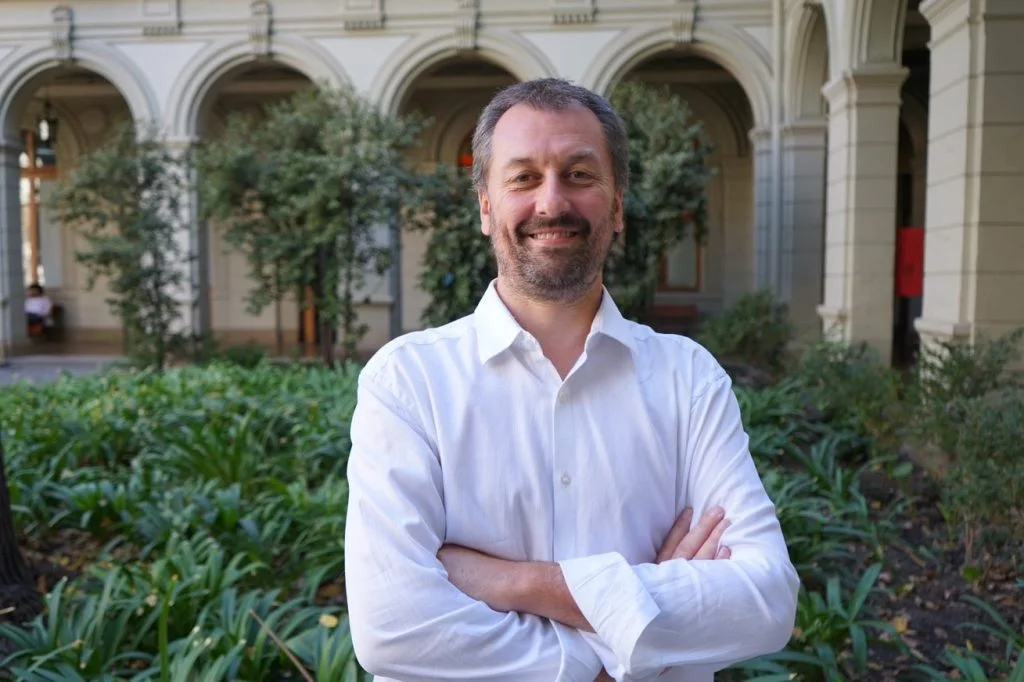
Associate Professor and Director of the Institute of Sociology at the Pontifical Catholic University of Chile. Matías Bargsted obtained his Ph.D. in Political Science from the University of Michigan, Ann Arbor, and his bachelor’s and master’s degrees in Sociology from the Pontifical Catholic University of Chile. His research areas include public opinion, comparative political behavior, longitudinal quantitative methodologies, survey research, and the sociology of religion. He is also an associate researcher at the Center for Social Conflict and Cohesion Studies (COES) and Associate Editor of the International Journal of Public Opinion Research. His academic work has been published in high-impact international journals, including American Journal of Political Science, Party Politics, Social Forces, Political Behavior, International Journal of Sociology, and Social Movement Studies, as well as in numerous book chapters and research reports.
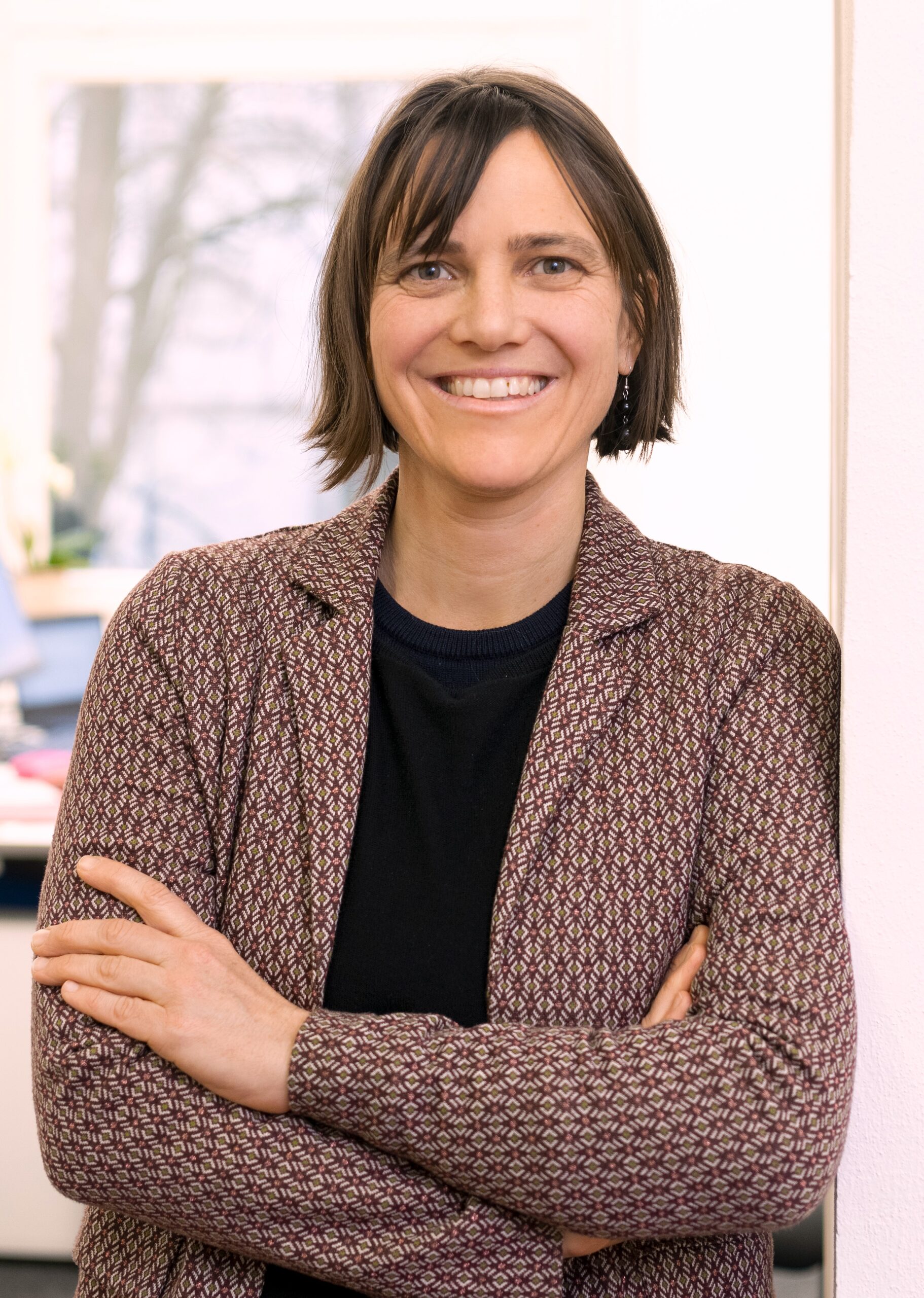
Rosa Lehmann
Dr. Rosa Lehmann studied Cultural Anthropology and Political Science at Freiburg University, where she received her Ph.D. in Political Science in 2018. Since April 2021, she is HCIAS Junior Professor of “Innovation and Sustainability in Ibero-America” at the Heidelberg Center for Ibero-American Studies (HCIAS) in conjunction with the Faculty of Chemistry and Earth Sciences/Department of Geography and the Heidelberg Center for the Environment (HCE). Prior to her position at the HCIAS, Rosa Lehmann was a Postdoctoral Research Fellow in the junior research group “Bioeconomy and Social Inequalities” at the University of Jena from 2016 to 2021, funded by the Federal Ministry of Education and Research (BMBF). Rosa Lehmann works across the fields of political ecology and energy studies, and studies socioenvironmental change, extractivism, contested energy transitions, the making of new energy spaces and struggles around just socioecological transformations in urban and rural contexts with a regional focus on Chile, Mexico, and Germany.
Dominique Scherer
Dr. Dominique Scherer has been a postdoctoral researcher in the Statistical Genetics Research Group at the Institute of Medical Biometry at Heidelberg University Hospital since 2015. Prior to this, she was a postdoctoral researcher and deputy group leader in the Molecular Epidemiology Group at the National Center for Tumor Diseases in Heidelberg. Dr. Scherer’s academic career includes a postdoctoral fellowship at Stanford University in the US and a doctorate in molecular genetic epidemiology at the German Cancer Research Center and the Medical Faculty of Heidelberg University. Her research focuses on primary and secondary cancer prevention as well as personalized cancer prevention using genetic biomarkers and Mendelian randomization. Dr. Scherer is involved in international projects, including the Horizon2020 project EULAT Eradicate GBC—a project for the prevention of gallbladder cancer with a focus on Latin America—and the TRANSCAN project ASAMET—a clinical study on the effects of aspirin and metformin on the prevention of colorectal cancer.